Not all plumbers do the same kind of work.
There are two main types of plumbing: domestic plumbing and commercial plumbing. Which one you need depends on where the problem is and how big or tricky it is.
All plumbers can fix things like leaks, blocked toilets, or burst pipes. But commercial plumbers work on much bigger and more complex systems, like those in tall buildings, apartment blocks, or places like dental clinics.
What Is Residential Plumbing?
Residential plumbing is the system of pipes and fixtures that bring water into your home and take waste water out. It’s what makes things like sinks, toilets, showers, and water heaters work.
Compared to plumbing in big buildings, home plumbing is smaller and simpler. That means it’s easier to set up, fix, and take care of.
What Is Commercial Plumbing?
Commercial plumbing is about installing, fixing, and maintaining plumbing systems in big places like offices, schools, hospitals, and shopping centres.
These buildings use a lot more water and produce more waste, so their plumbing needs to be stronger and more complicated. The materials used have to be tough, and everything must follow strict safety rules and building laws.
Because these systems are so large and complex, commercial plumbing requires skilled plumbers who know how to handle big projects safely and efficiently.
How The Approach To Quoting Differs
The way plumbers give quotes for home plumbing and commercial plumbing is very different because each type has its own needs. Let’s take a closer look at how they differ.
Differences In Scope And Complexity
Commercial plumbing:
In commercial plumbing, plumbers work on big buildings like apartment complexes, offices, and factories. These jobs are much larger and more complicated than fixing a tap at home.
Commercial plumbers need special skills and knowledge because they have to think about the whole building’s water system, not just one sink or toilet. They also have to follow strict safety rules and building laws to make sure everything works properly.
Because these projects are so big and detailed, the quote (or cost estimate) is usually longer and more detailed. It covers all the planning, special materials, and skilled work needed to get the job done safely and correctly.
Residential plumbing:
Residential plumbers work on smaller and simpler jobs, like repairs, new installations, or regular check-ups. They often fix leaks, install water heaters, and take care of plumbing fixtures.
Their work focuses on basic parts of a home’s plumbing system, where the water comes from, how the pipes are laid out, and how sinks, toilets, and showers are connected.
For example, in a normal house or apartment, you have hot and cold taps, a shower, a bathtub, and drains. When giving a quote, plumbers don’t need to measure every single pipe. Instead, they estimate based on the main parts that need work.
Because home plumbing is smaller and simpler, quotes for residential jobs are usually shorter and less detailed than commercial ones, which involve much bigger and more complex systems.
Timeframes And Working Hours
Commercial plumbing:
Commercial plumbers often work on longer projects and at different times (sometimes at night or on weekends) so they don’t disturb businesses during the day.
This affects how they give quotes. For commercial jobs, plumbers have to include things like flexible scheduling, possible overtime pay, and access to building plans even when the building is closed.
Residential plumbing:
Residential plumbers usually work regular hours, Monday to Friday, from 9 to 5. This makes their jobs easier to plan and means there’s less disruption. Because of this, their quotes are simpler and based on normal working hours.
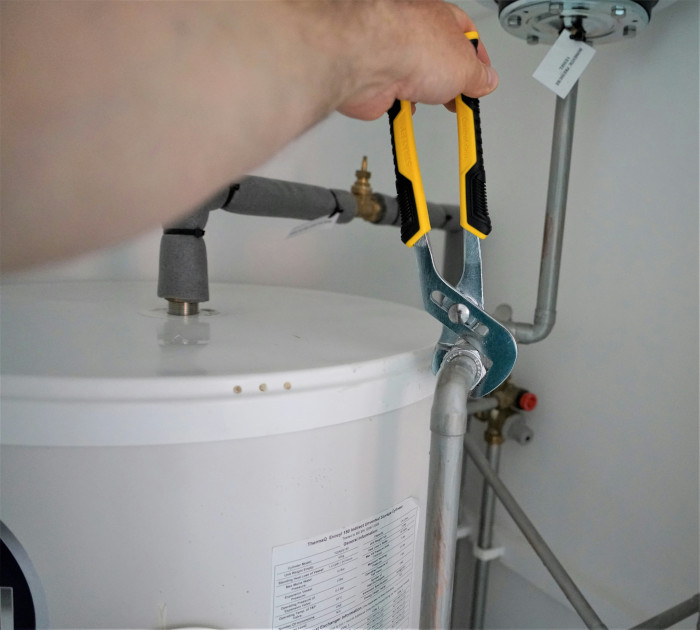
Documentation And Regulatory Requirements
Commercial plumbing:
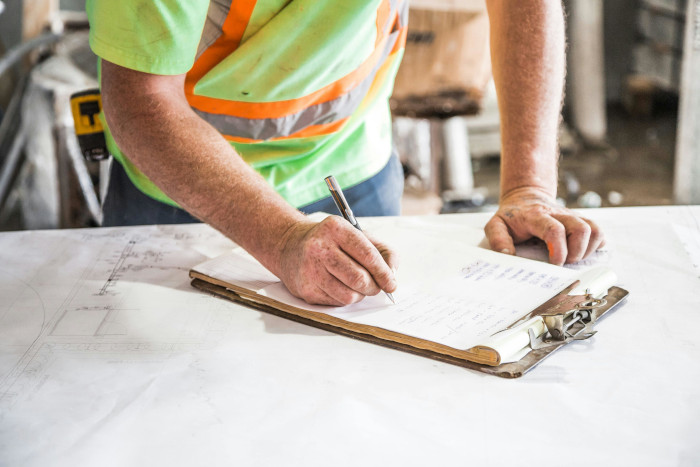
Commercial plumbing projects need a lot of paperwork and planning before work can begin. This includes detailed drawings like floor plans, site maps, and designs showing how the plumbing and structure will work together.
They also need to get special permits and approvals from local councils or government offices. Everything must follow strict safety, health, and environmental rules.
Here are some of the documents usually needed for commercial projects:
- A floor plan of the building
- Elevation plans showing how the building will look from different sides
- A site plan showing how far the building is from property boundaries
- Structural plans (showing how the building is built)
- Energy Efficiency Report and Certification
- Soil Test Report
- QLeave form (needed for construction projects worth more than $150,000)
Residential plumbing:
Residential plumbing projects don’t need as many permits or detailed plans. They still have to follow local building rules, but compared to commercial plumbing, the paperwork and planning are much simpler.
Differences Between The Two:
To better understand the differences between residential and commercial plumbing, we’ll look at how they vary in cost, the tools used, and the kinds of services they offer.
Regularity Of Maintenance
Commercial Plumbing:
Commercial plumbing is a lot more complicated because it includes many floors, bathrooms, sinks, and lots of pipes. Since these systems are so big and complex, it’s best to hire a professional commercial plumber to take care of them.
Residential plumbing:
Residential plumbing is usually much easier to understand and work with. Most plumbing problems at home happen in the same places (like the bathroom or kitchen) and are often similar, such as leaks or clogs.
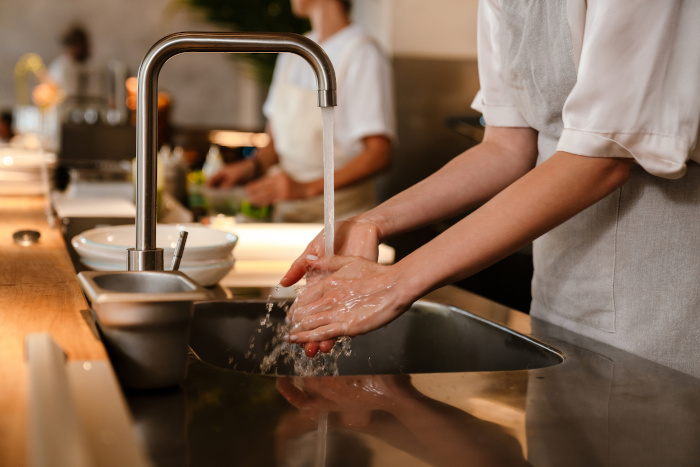
Scale And Complexity Of Commercial Plumbing Systems
One of the biggest differences between commercial and residential plumbing is how big and complicated the systems are.
Commercial buildings like offices, shops, and factories have large plumbing networks that serve many people.
Bigger systems: Commercial buildings usually have more bathrooms, kitchens, and water-using machines than houses. This means there are more pipes and drains to look after.
Heavier use: Plumbing in commercial buildings is used much more often, so it needs stronger materials and systems to handle all that water use.
More floors: Many commercial buildings have several levels, which makes the plumbing more complex. Plumbers have to make sure water pressure and drainage work properly on every floor.
Because of all this, commercial plumbing needs careful planning and skilled professionals to make sure everything runs safely and lasts a long time.
Specialised Equipment And Techniques
Commercial Plumbing:
Here are some of the tools and equipment that commercial plumbers use most often:
- Industrial vacuums: to clean up water or debris
- Tile saws: to cut tiles neatly when working in bathrooms or kitchens
- Generators: to provide power for tools when there’s no electricity
- Pipe cutting tools: to cut pipes to the right size
- Drilling tools: to make holes for pipes and fittings
- Pipe bevelling machines: to smooth the edges of pipes before connecting them
Residential Plumbing:
Here are some of the tools and supplies that residential plumbers use most often:
- Drain snakes: long flexible tools used to clear clogs in pipes
- Plumber’s tape: helps seal pipe connections so they don’t leak
- Wrenches: used to tighten or loosen pipes and fittings
- CCTV drain cameras: small cameras that let plumbers see inside pipes
- Washers: small rubber or metal rings that stop leaks
- Plungers: used to clear blockages in toilets or sinks
- Hydro jetting machines: use high-pressure water to clean out stubborn clogs
Time Sensitivity And Risk Management
Plumbing problems in big commercial buildings can cause much bigger issues than in a regular home.
Operational disruptions: If something goes wrong with the plumbing in a business, it can stop work completely and cause the company to lose money. That’s why commercial plumbers are often available 24/7, to fix problems quickly and keep things running.
Health and safety risks: Leaks or sewage backups in large buildings can be dangerous and unhealthy. It’s important to get these fixed right away to keep everyone safe.
Liability concerns: Business owners must make sure their buildings are safe for workers, customers, and tenants. This includes keeping the plumbing in good condition to avoid accidents, water damage, or costly legal problems.
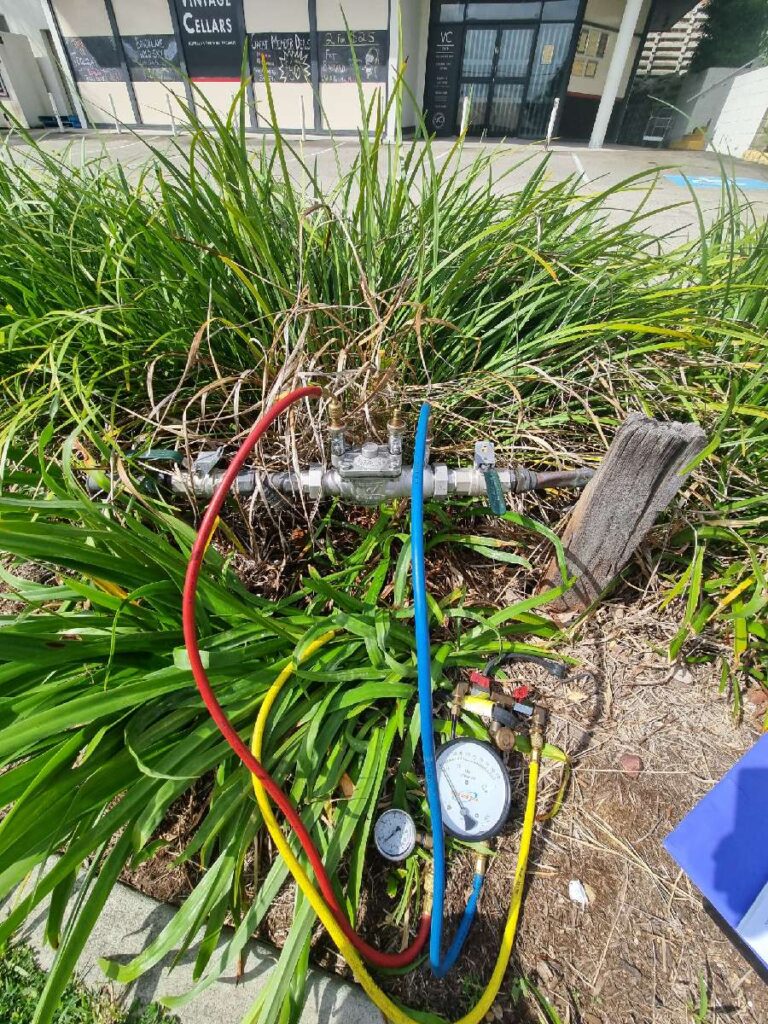
Maintenance And Long-Term Planning
Commercial plumbing systems get used a lot more than home plumbing, so they wear out faster. That’s why regular maintenance is very important. Many businesses make service agreements with plumbers to keep their systems working well.
Preventative maintenance: Getting regular check-ups, cleaning drains, and updating parts can stop big problems before they happen. This helps the plumbing last longer and reduces the chance of emergency repairs.
Upgrades and efficiency improvements: As technology improves, plumbing systems might need upgrades to save energy or meet new rules. Having a reliable commercial plumber means these updates can be done smoothly, without disrupting the business.
Working Hours
Commercial Plumbing:
Commercial plumbers often work outside regular 9-to-5 hours so they don’t disturb employees or customers while the building is being used during the day.
Residential Plumbing:
Many residential plumbers can choose to work regular 9-to-5 hours on weekdays, and some also offer callouts if you need help outside those times.
Probability Of Damage
Commercial plumbing systems are more likely to get damaged because they’re bigger, more complicated, and used more often. With so many pipes and fixtures, they can wear out faster or develop leaks. Regular check-ups and maintenance help stop big problems and expensive repairs.
Home plumbing systems are smaller and simpler, so they usually have fewer issues. But it’s still important to look after them and do regular maintenance to prevent damage.
Leak Detection
Finding leaks is very important in both home and commercial plumbing, but it’s done in different ways.
In commercial buildings, plumbers often use advanced tools like sensors and automatic monitoring systems to find leaks early (even tiny ones) before they cause big problems.
In homes, leak detection is usually simpler. It often depends on regular check-ups or homeowners noticing signs of leaks and calling a plumber to fix them.
Drainage Services
Drainage systems in commercial buildings are much bigger and more complicated than the ones in homes. They have to handle a lot more waste and follow stricter safety and health rules.
For example, restaurants use special grease traps, and large buildings have big sewage systems and advanced ways to manage wastewater.
In houses, the drainage system is simpler, it usually just connects to the main sewer and handles everyday household waste.
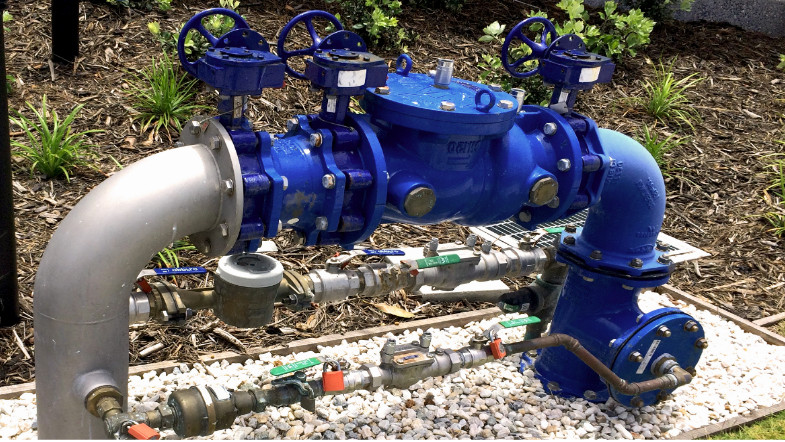
Cases Of Dripping And Running Water
Leaks and running water happen more often in commercial buildings because their plumbing systems are bigger and used more. These problems can waste a lot of water and increase water bills. Commercial plumbers use special tools and advanced methods to find and fix leaks quickly.
In homes, dripping taps or running toilets are common too, but they’re usually simpler and cheaper to repair.
The Residential vs. Commercial Plumbing Process
Residential Projects:
The project starts with planning the plumbing system, deciding how many water sources are needed and how the pipes should be arranged.
Next, the walls and floors are prepared for the installation of water and drainage pipes.
Then comes the rough-in stage, when plumbers install the main pipes inside the walls before they’re sealed up.
Finally, the plumber places all the pipes, fittings, and fixtures, measures everything carefully, and installs all the needed materials.
Commercial Projects:
During a commercial plumbing project, the client and plumber meet to talk about what the project needs, how much it will cost, and how long it will take.
The plumber then inspects the site, and a team of engineers and designers creates detailed plumbing plans.
After getting all the required permits and approvals, the team starts preparing the site.
The plumber orders all the needed materials, tools, and fixtures.
Once that’s done, the rough-in work is completed, and the full installation begins.
How Does A Plumber Handle Residential Issues?
Residential plumbers are experts at fixing plumbing problems in homes. You know those leaky taps, blocked drains, or hot water issues? A residential plumber starts by checking what’s wrong, then repairs or replaces the broken parts. If something is too old or damaged, they might install a brand-new system.
They need to understand how home plumbing works and know which tools to use for each job. Since they often work inside people’s homes, they also have to be respectful and careful with the space.

What About Commercial Plumbing Problems?
Commercial plumbing problems are much more complicated than home plumbing ones. You can’t just fix them with a quick trip to Bunnings and some DIY tools.
Commercial plumbers work on big systems in places like offices, schools, and factories. These include large water supply networks, heavy-duty water heaters, and sewer systems that serve hundreds or even thousands of people.
Because these systems are so complex, commercial plumbers need a lot of training and experience. They often work in teams to manage big jobs and must always follow the safety and building rules in the Plumbing Code of Australia.
Final Thoughts
Commercial plumbing is more complicated and demanding than home plumbing. It needs skilled experts, special tools, and a good understanding of strict safety rules. For business owners, hiring a professional commercial plumbing company helps keep their building safe, efficient, and up to code.
Plumbing problems can happen anytime, so it’s important to fix small issues before they turn into big emergencies.
Crew Plumbing offers both home and commercial plumbing services, including regular inspections to find hidden problems before they get worse.
Our team of expert commercial plumbers in Brisbane can check your building, fix plumbing issues, and even help plan, install, and maintain your plumbing system if you’re renovating or expanding your business.
We work with project managers, builders, and property developers to provide the best plumbing solutions for all kinds of businesses, including:
- Dental clinics
- Real estate properties
- Construction and renovation sites
- Commercial maintenance
- And more!
Get reliable and affordable plumbing in Brisbane, call our team at (07) 3395 0440 to request a quote today!
FAQs
After How Long Should I Get A Plumbing Inspection Done?
You should have your plumbing system checked at least once a year, even if everything seems fine and you’re careful with it. Regular checks help find small problems early, before they turn into big ones that could damage your property.
How Will I Know If My Drain Is Clogged?
Slow drainage in your sink, shower, bathtub, or toilet is often one of the first signs of a clog. In bad cases, the water might not drain at all. You might also notice bad smells coming from your sink or toilet, another sign that your drains could be blocked.
What’s The Difference Between A Residential And Commercial Plumber?
Put simply, residential plumbers fix plumbing problems in homes, while commercial plumbers handle plumbing issues in businesses and public buildings.
Can A Residential Plumber Fix Commercial Plumbing Issues?
Some skills are useful for both home and commercial plumbing, but commercial plumbing usually needs extra knowledge and experience to handle bigger, more complex systems.
Why Are Commercial Plumbing Issues More Complex?
Commercial plumbing systems are usually larger and serve more people. Because of this, they have more parts, which makes them harder to maintain and repair.