Grease trap cleaning is an important part of keeping commercial kitchens running smoothly. Regular cleaning helps stop grease, food waste, and bad smells from building up and causing blockages.
When a grease trap becomes blocked, a professional cleaning service can safely remove the waste and fix the issue. These services can also provide regular maintenance to prevent liquid waste and grease from overflowing and creating future problems.
Grease trap cleaning is usually carried out by experienced plumbing professionals. They make sure grease traps work properly and meet local water authority requirements. Because grease traps need the right care, using a professional service is the safest and most reliable option.
How To Clean A Grease Trap In 8 Simple Steps
Manual grease traps should be cleaned daily, with a thorough deep clean carried out every one to three months. The exact timing depends on the size of the unit and how often it is used. Following a regular cleaning schedule helps prevent kitchen downtime and reduces unnecessary business expenses.
While grease trap makes and models may differ, most passive grease traps can be cleaned by following the same standard 8-step process.
1. Make Sure You Have The Correct Tools
You will need protective clothing, a mask, and rubber gloves for safety. Other required tools include a plastic scraper, a bucket and scoop, a bin, and scrubbing brushes. If available, an industrial-grade wet and dry vacuum cleaner can also be used to make the cleaning process more efficient.
2. Ensure The Trap Won’t Be Used During Cleaning
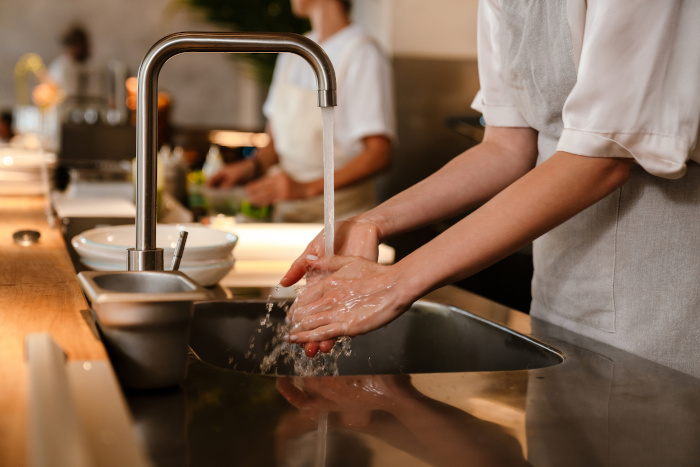
If you have an automatic dishwasher, turn it off before you start. Make sure all sinks are empty as well.
3. Choose The Right Time
Strong and unpleasant odours can be released when a grease trap lid is removed. For this reason, it’s best to clean the grease trap outside of business operating hours.
4. Remove The Lid
Grease trap models are different, but the lid may be screwed on or tightly clipped in place. It also has a seal to stop bad smells from leaking out.
5. Start Cleaning
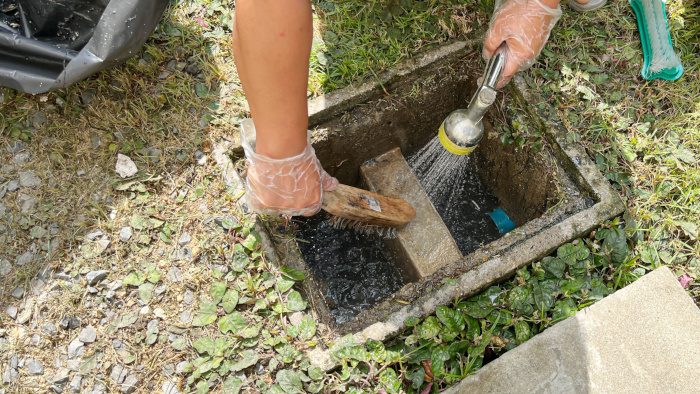
If you have a commercial wet and dry vacuum that is suitable for the task, you can begin removing the water and grease from the trap. Remove the food waste basket and dispose of the contents in the food bin. Use a bucket and scoop to remove as much grease as possible, then use a plastic scraper to clear away any remaining residue from the trap. Solid waste may also collect at the bottom of the trap and should be removed during a full deep clean service.
6. Avoid Hot Water And Chemicals
Hot water can melt grease and allow it to flow into the sewer, and harsh chemicals can cause the same problem. Instead, it’s best to use a bacteria-based biological cleaning solution, as these products are environmentally friendly and safe for use in grease traps. Use the solution to thoroughly scrub the inside of the grease trap until it is clean.
7. Inspect The Grease Trap, Then Reassemble It
Check the grease trap for any signs of damage or wear. Put the lid back on and make sure all seals, clips, and screws are tight and secure.
8. Return The Grease Trap To Use
Test the grease trap to confirm it is working correctly. If no issues are found, the cleaning process is complete.
It’s important to record that the grease trap has been cleaned and to dispose of the removed grease waste properly. To meet environmental requirements, the waste must be correctly classified and reported using the approved waste codes set by environmental regulations.
Signs Your Grease Trap Needs Cleaning
There are clear signs that indicate when a grease trap needs to be cleaned. The most common signs include:
Slow Drainage
If you notice water draining slowly from sinks or dishwashers, this may be a sign that the grease trap is full or blocked. Over time, grease, oils, and food particles build up inside the trap. Once it reaches capacity, it can no longer separate grease from wastewater, which leads to slow drainage. This issue can also affect other plumbing in the kitchen and disrupt normal daily operations.
Unpleasant Odours
If your kitchen develops unpleasant smells, it’s a clear sign that the grease trap may need cleaning. As grease and oils build up over time, they can begin to break down and release strong odours that spread throughout the kitchen. These smells can affect both staff and customers and may create an unhygienic environment. Regular grease trap cleaning helps prevent waste buildup and keeps the kitchen clean and odour-free.
Frequent Plumbing Issues
If your kitchen has plumbing issues such as backups, leaks, or blocked pipes, the cause is often a grease trap that hasn’t been properly maintained. When the trap becomes full, grease and solid waste can overflow into the pipes and create blockages. These blockages restrict water flow and may lead to plumbing damage and costly repairs if not addressed.
Grease Trap Management By Crew Plumbing
We offer a range of services for businesses, including regular servicing programs. If you need assistance with grease trap cleaning, you can contact our experienced plumbers on 07 3395 0440. You can also email [email protected] or submit an enquiry through our online contact form.
Crew Plumbing is a leading plumbing company in Brisbane, and we look forward to assisting you with your grease management needs.
FAQ
What Is A Grease Trap?
A grease trap plays an important role in keeping kitchen plumbing systems in good condition. It separates water from grease and food waste, which helps prevent fat, oil, and grease from blocking drains and damaging pipes.
Grease traps are not only used in commercial kitchens. Homes and apartment buildings can also benefit from them by reducing the risk of plumbing issues and costly repairs.
How Do Grease Traps Work?
When wastewater flows into a grease trap, fats and oils rise to the surface, while food solids sink to the bottom. This separation allows cleaner water to move into the sewer, while grease and solid waste are held inside the trap.
Over time, grease and food solids can build up and reduce how well the trap works. Regular cleaning and maintenance are needed to keep the system operating efficiently and to prevent blockages in the sewer system.
Can I Clean The Grease Trap Myself, Or Do I Need A Professional Service?
While some small grease traps can be cleaned manually, professional cleaning services are recommended for larger or commercial systems. Professionals have the right equipment, experience, and knowledge to clean the trap thoroughly and dispose of waste safely. This helps ensure the grease trap operates effectively and meets regulatory requirements.