A standard hot water tank typically lasts between 7 and 15 years. Tankless (instant) hot water systems often have a longer lifespan and can last several years beyond that range.
Because a hot water system is a significant investment, it is important to choose a system that offers long-term reliability and value.
So, how long should a hot water system last?
The lifespan of a hot water system depends on several factors. In this guide, we outline the key factors that can affect durability and explain what helps some systems last longer than others.
Primary Factors For How Long A Hot Water System Lasts
There are four key factors that determine how long a hot water system will last. These include the overall build quality, the materials used, the level of household usage, and the quality of the water supply.
Below, we explain each of these factors in more detail.
Quality
This is one of the most straightforward factors.
In general, a higher-priced hot water system is often built with better components and higher manufacturing standards, which can result in a longer lifespan.
One of the most common reasons a hot water system requires replacement is internal corrosion of the tank caused by storing water over many years. Investing in a higher quality tank can help reduce the risk of corrosion and may extend the life of your hot water system by several years.
Material
As corrosion is the leading cause of hot water system failure, the material used to manufacture the tank plays a critical role in its lifespan.
Below is a general guide to the expected lifespan of different tank materials and system types:
- Copper tanks (low-pressure, gravity-fed): approximately 25 years or more
- Glass-lined or enamel-lined tanks: typically 5 to 10+ years
- Stainless steel tanks: generally 8 to 12+ years
- Heat pump systems: approximately 10+ years
These figures are conservative estimates. With quality manufacturing, correct installation, and regular maintenance, some models can operate effectively for 15 years or longer.
Usage
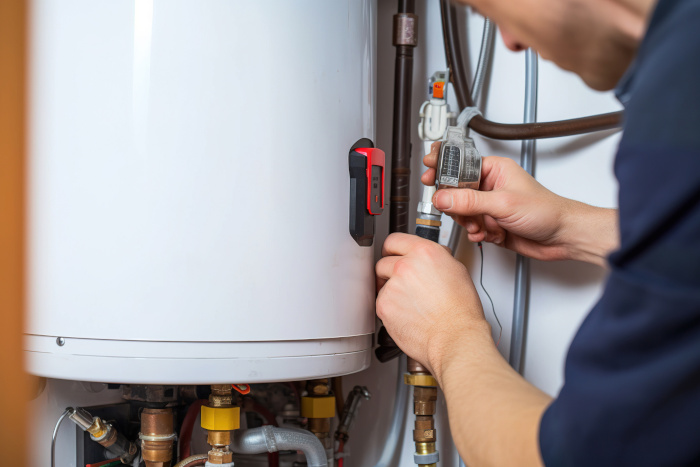
Like any machine, the more you use a hot water system, the more wear and tear it experiences.
Hot water systems are designed to handle high temperatures and regular use. However, over time, constant heating and cooling puts stress on the internal parts. Eventually, this ongoing strain can cause components to weaken or fail.
In most cases, this level of usage cannot be easily controlled, and many homeowners may not realise how much demand is being placed on their system until issues begin to appear.
Water Quality
An often overlooked factor in the lifespan of a hot water system is the quality of the water supply.
In some areas, the water contains higher levels of dissolved minerals. This is commonly referred to as hard water. When a system continuously heats hard water, mineral deposits can build up inside the tank and on internal components. Over time, this can accelerate corrosion and reduce the overall lifespan of the system.
Regular professional maintenance can help minimise mineral build-up, improve performance, and extend the service life of a hot water system operating in hard water conditions.
Types Of Hot Water Systems
Solar Systems
Solar hot water systems use energy from the sun to heat water, making them an environmentally responsible and cost-effective option. They are becoming increasingly popular across Queensland due to rising energy costs and greater environmental awareness.
These systems typically include solar collectors (usually installed on the roof) that capture sunlight and transfer the heat to a storage tank. While the upfront installation cost can be higher than traditional systems, the long-term savings on energy bills and reduced environmental impact make solar hot water a strong long-term investment.
Solar panels can often last 20 years or more. However, the storage tank and other mechanical components generally have a shorter lifespan and may require replacement within 10 to 15 years.
Heat Pump
Heat pump hot water systems are an energy-efficient way to heat water. Instead of creating heat like a normal electric system, they take heat from the air and move it into your water. You can think of it like a fridge working in reverse.
Heat pumps work especially well in mild to warm climates and can help lower your electricity use.
Most heat pump systems last about the same time as regular tank systems, usually around 10 to 15 years.
Tankless Systems
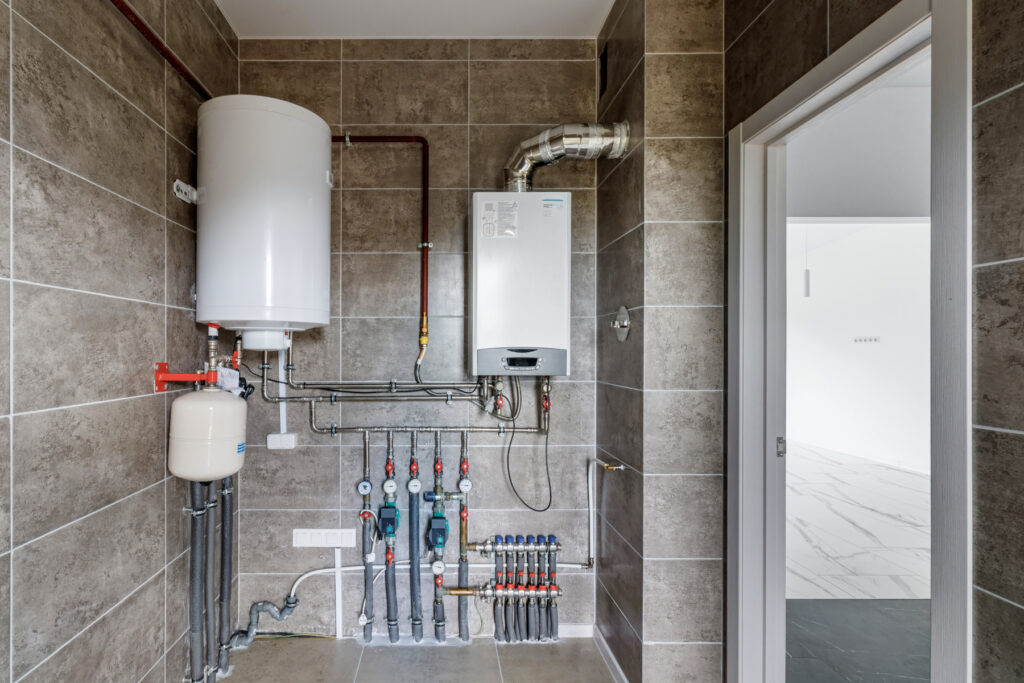
Tankless systems, also known as continuous flow water heaters, heat water only when it is required. Instead of storing hot water in a tank, they provide hot water on demand. This approach improves energy efficiency, as the system only heats the water being used.
Because there is no storage tank, there is less risk of corrosion and reduced long-term wear associated with holding heated water. Tankless systems are also compact in size, allowing for flexible installation in smaller or limited spaces.
With proper servicing and maintenance, tankless systems commonly last between 15 and 20 years, and in some cases, even longer.
Electric Hot Water Systems
Electric hot water systems use electricity to heat water. Most of them store the hot water in a tank. They are usually simple to install and provide a steady and reliable supply of hot water, which makes them a popular choice for many homes.
On average, an electric hot water system lasts between 10 and 15 years.
Gas Hot Water Systems
Gas hot water systems often heat water as you use it, instead of storing it in a tank. This means you can get hot water whenever you need it, without running out during a shower. They are a good choice for homes that have a natural gas connection.
Most gas hot water systems last about 8 to 12 years.
Keep in mind, the lifespan of both gas and electric systems does not only depend on the tank. Gas and electric systems heat water in different ways, and this can put different levels of strain on their internal parts over time.
How Do I Make My Hot Water System Last Longer?
Once your hot water system is installed, ongoing servicing is essential to maximise its lifespan and performance.
Regular inspections by a qualified plumber can identify minor issues before they develop into major faults. Preventative maintenance (such as replacing the sacrificial anode in a storage tank) can significantly reduce internal corrosion and potentially extend the life of the system by several years.
For professional hot water system repairs and scheduled maintenance, contact Crew Plumbing. Our fully licensed and certified technicians are experienced with all major hot water system brands and can ensure your system continues to operate safely, efficiently, and reliably for years to come.
Check Your TPR Valve
The pressure valve helps keep your hot water system safe. When the water heats up, pressure builds inside the tank. The valve opens to release some of that pressure so the tank does not get damaged.
Over time, dirt or sediment can build up and block the valve. That’s why it’s a good idea to check it a few times each year.
Before testing it, turn off the power to the system. Then gently open and close the valve a few times. You should see some water come out. If no water is released, the valve may be blocked and might need to be replaced.
A Professional Should Do A Maintenance Flush Yearly
Sediment can build up inside your hot water system, especially if you live in an area with hard water.
Over time, these small mineral particles settle at the bottom of the tank. This can cause corrosion and make the system work harder to heat the water, which may shorten its lifespan.
A maintenance flush helps remove this sediment and keeps the system running more efficiently.
Anode Rod Needs Checking
This rod attracts minerals in the water, which helps stop them from damaging the inside of the tank. In simple terms, it protects the system from rust and corrosion.
However, the rod does not last forever. In areas with hard water, it may only last about 3 to 5 years. In other areas, it might last a little longer.
It should be checked every year and replaced when it becomes worn out.
Follow A Consistent Maintenance Schedule
If you keep up with regular maintenance, your hot water system may last much longer before it needs to be replaced. Regular servicing is a smart investment that can help prevent bigger problems later.
It’s also a good idea to check your hot water system warranty so you understand what is covered and what conditions apply.

How Do I Know If My Hot Water Heater Needs Replacing?
If you are unsure whether your hot water system needs replacing, there are a few common signs to look out for:
- The water is not as hot as usual, or you run out of hot water more quickly. (It’s important to check that this is not just a thermostat setting or a faulty heating element.)
- The tank is making unusual noises. Older systems can make hissing or sizzling sounds. (However, this can sometimes be caused by a faulty pressure relief valve.)
- Rust or thick sludge is building up on or around the tank. This is often a stronger sign that the tank may be corroding and nearing the end of its lifespan.
If you are unsure whether your system is operating correctly, contact Crew Plumbing for professional advice. Our experienced plumbers can inspect the unit and identify the issue. In many cases, only a specific component may need replacing, it does not always mean the entire hot water system needs to be replaced.
Factors To Consider When Replacing A Hot Water System
When your hot water system reaches the end of its lifespan, selecting a replacement requires careful consideration.
It is important to assess several key factors before making a decision. Choosing the right system will ensure it meets your household needs, operates efficiently, and delivers reliable performance for years to come.
Type Of System
The first factor to consider is the type of hot water system that best suits your home and lifestyle.
There are several main options available:
- Gas hot water systems are reliable and well-suited to larger households with higher hot water usage.
- Electric hot water systems are versatile and straightforward to install, making them ideal for smaller homes or properties without access to natural gas.
- Solar hot water systems utilise energy from the sun, offering long-term energy savings and reduced environmental impact.
- Heat pump systems use ambient air to heat water and are highly energy-efficient, particularly in mild climates.
- Tankless (continuous flow) systems provide hot water on demand without storing it in a tank, offering space-saving benefits and improved efficiency.
Selecting the right system will depend on your household size, energy availability, budget, and long-term efficiency goals.
Usage Patterns
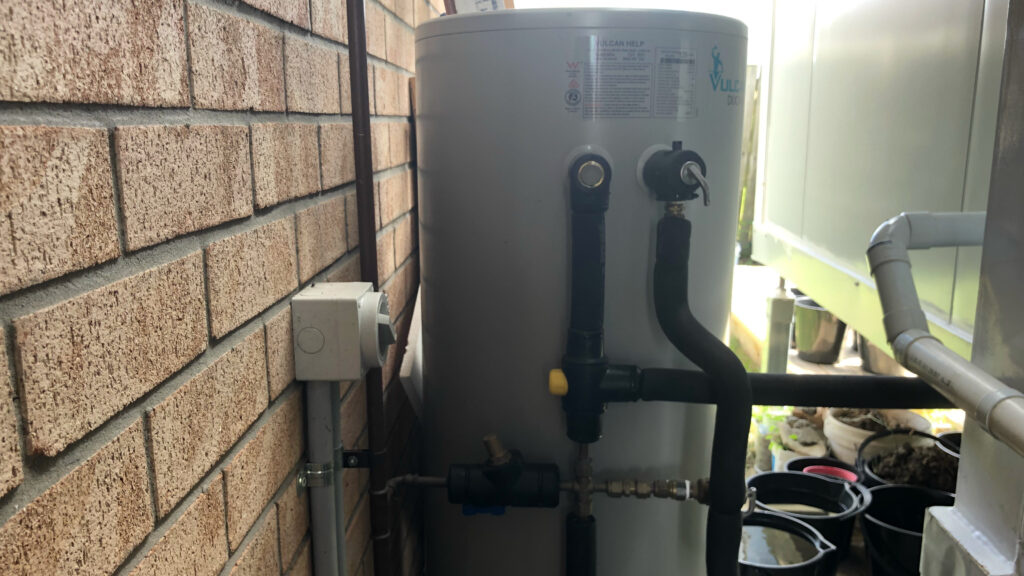
Think about how many people live in your home. Bigger families usually need a hot water system that can hold or produce more hot water.
Also, consider when you use the most hot water, like in the mornings or evenings. Choosing a system that matches your daily use will help make sure you always have enough hot water without wasting energy.
Energy Efficiency
Energy efficiency is important because it helps lower your power bills and is better for the environment.
Look for a hot water system with a high energy efficiency rating. It’s also important that the system is well insulated. Good insulation helps keep the water hot for longer, which means the system uses less energy overall.
Cost Of Installation And Operations
The cost of buying and installing a hot water system is an important factor to think about. It often plays a big role in your final decision.
Different systems have different upfront costs. For example, solar systems can cost more to install, but they usually cost less to run over time.
You should also think about the long-term costs, such as how much energy the system uses and how much regular maintenance will cost.
It’s also worth checking if there are any rebates or government incentives for energy-efficient systems. These can help reduce the upfront cost.
Summary
To maximise the lifespan and performance of your hot water system, it is important to allocate budget for regular maintenance.
Scheduled servicing can help identify potential issues early, reduce safety risks, and minimise the likelihood of unexpected system failures. A comprehensive warranty may also cover certain repairs for a defined period, helping to manage maintenance costs.
Proactive maintenance not only helps extend the life of your system but can also reduce the frequency and severity of repairs over time.
For tailored advice and professional recommendations suited to your household needs, contact Crew Plumbing today.
FAQS
How Often Should You Replace A Hot Water Heater?
Most experts say you should think about replacing it around 10 years. This is because most hot water systems last between 8 and 12 years, depending on how much they are used, how well they are maintained, and what type of system they are.
Regular servicing can help your system last longer. However, you may need to replace it if it becomes less efficient, repairs start costing more, or it no longer provides enough hot water for your home.
If your system is close to 10 years old, it’s a good idea to book an inspection. Replacing it before it fails can help you avoid sudden breakdowns, expensive emergency repairs, and losing access to hot water. An expert can check your system and help you decide the right time to replace it.
How Often Should I Service My Water Heater?
It’s a good idea to have your hot water system checked at least once a year. Regular servicing can help find small problems early and help the system last longer.
Some parts need extra attention. For example, the anode rod should be checked every 2 to 3 years and usually replaced every 3 to 5 years.
It’s also important to flush the system once a year to remove sediment and to check the pressure relief valve to make sure it is working properly.
Can The Quality Of My Water Affect My Lifespan?
Yes, water quality can make a big difference in how long your hot water system lasts.
Hard water can cause mineral build-up inside the tank, which makes the system work harder and use more energy. On the other hand, very soft water can sometimes cause metal tanks to rust faster.
If you live in an area with poor water quality, your hot water system may not last as long.
Water treatment systems, like water softeners, can help protect your unit. However, they need to be set up properly to work safely and effectively.