Every home needs clean water for drinking, cooking, and bathing. Sometimes, dirty water can flow the wrong way into clean water pipes, which can be unsafe and make people sick.
Backflow prevention testing is a check to make sure special devices are working properly. These devices stop dirty water from flowing backward into the clean water supply, especially if water pressure drops or there’s a problem with the plumbing.
What Is Backflow?
Backflow occurs when water flows in the opposite direction to its normal path within a plumbing system.
This can happen when the pressure in the main water supply drops below the pressure inside a property’s plumbing. Situations such as a burst water main or high water use during firefighting can cause this, allowing contaminated water to be drawn back into the clean water supply. This process is known as back siphonage.
Backflow can also occur when equipment such as a bore pump is connected to the plumbing system and forces water into the pipes at a higher pressure than the main water supply. This is referred to as back pressure.
If a drinking water system is accidentally connected to a source of contamination (such as chemicals, polluted water, or even a hose submerged in a container) these contaminants can enter the water supply during pressure changes or sudden drops in mains pressure.

Who Needs Backflow Testing?
Most places that are not homes need backflow testing to keep their water safe. This includes places like:
- Car washes and places that clean machines or equipment
- Caravan parks
- Sports club buildings
- Day care centres and kindergartens
- Dry cleaners and laundromats
- Hospitals and funeral homes
- Hotels
- Doctor and dentist clinics
- Motels and unit buildings
- Pest control trucks and water-carrying vehicles
- Restaurants
- Schools
- Shops and retail stores
- Car repair workshops
These places often use water in ways that could contaminate the water supply, so regular testing is important.
How Often Does Backflow Testing Need To Be Done?
Australian plumbing standards require backflow prevention devices to be tested once every year to protect public health. If testing is not kept up to date, fines may apply and the main water supply to a home or business can be disconnected.
Legislation allows for penalties of up to $5,000, with additional fines of $500 per day for failing to meet backflow prevention requirements.
It is recommended that testing be scheduled in advance to ensure compliance. Backflow prevention devices protect the water supply by stopping contaminated water from flowing backwards, using methods such as one-way valves, air gaps, or break tanks.
Backflow prevention devices are required in higher-risk settings such as construction sites, fire sprinkler and firefighting systems, swimming pools, industrial facilities, and restaurants with grease traps, where there is a greater chance of water contamination.
Why Install A Backflow Prevention Device?
The community has the right to be protected from contaminated drinking water caused by backflow incidents. Contaminated water can pose serious health risks and, in extreme cases, may be life-threatening. For this reason, legislation requires the installation of backflow prevention devices under the Water Services Act 2012 and Water Services Regulations 2013.
Due to the potentially serious consequences of a backflow incident, the regulations allow authorities to issue a formal notice requiring the installation of backflow prevention devices at a property boundary. Failure to comply may result in penalties of up to $5,000, with additional fines of $500 per day for ongoing non-compliance.
The regulations also provide the authority to restrict or disconnect water services where necessary, in order to protect the public drinking water supply.
Install, Remove Or Replace A Device
New Devices
All new backflow prevention devices must be installed by a licensed plumber and registered, with a registration fee applying to each device.
In some cases, the plumber may be required to submit a plumbing permit application to the local council before installation.
Where backflow prevention devices are shown on hydraulic drawings for council assessment, the registration fee is payable at the time the application is lodged.
Removing Or Replacing A Device
A backflow prevention device should only be taken out or changed if the risk it was protecting against is no longer there.
To check if the device can be removed or replaced with a different one, you should speak to a licensed plumber who can make sure it is safe to do so.
Who Can Install A Backflow Prevention Device?
Only a licensed plumber is allowed to install backflow prevention devices.
How To Process For Backflow Testing?
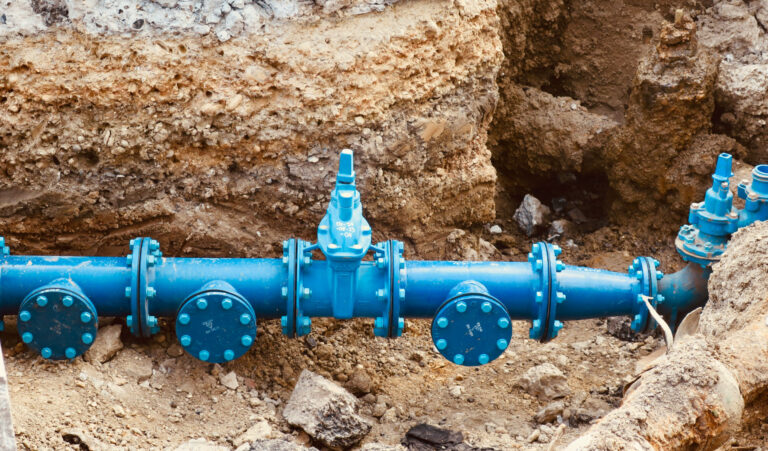
Backflow prevention testing ensures that an appropriate backflow prevention device is installed at the boundary of every water service connection to a property, including fire services.
The testing process involves a series of checks to confirm that each device is operating correctly and complies with the requirements set by the relevant local authorities.
Below is a step-by-step overview of the backflow testing process:
1. Determine Backflow Prevention Devices
First, identify the backflow prevention device installed within the plumbing system and confirm the type of device in place.
Common types of backflow prevention devices include double check valves, reduced pressure zone devices, and pressure vacuum breakers.
2. Schedule A Certified Tester
Contact a certified plumber to book a visit so they can check your water supply and make sure there are no backflow problems.
3. Test Preparation
People in the building will be told ahead of time if the water needs to be turned off during testing. You will also need to make sure the plumber can easily reach the backflow prevention devices.
4. Conducting The Test
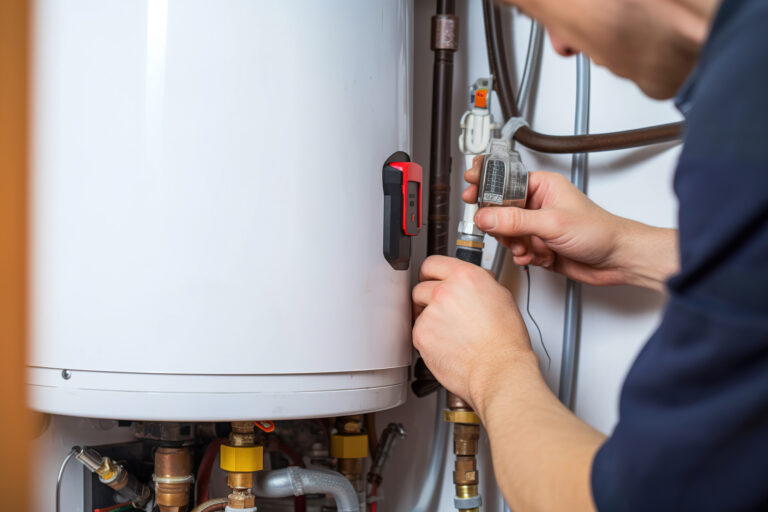
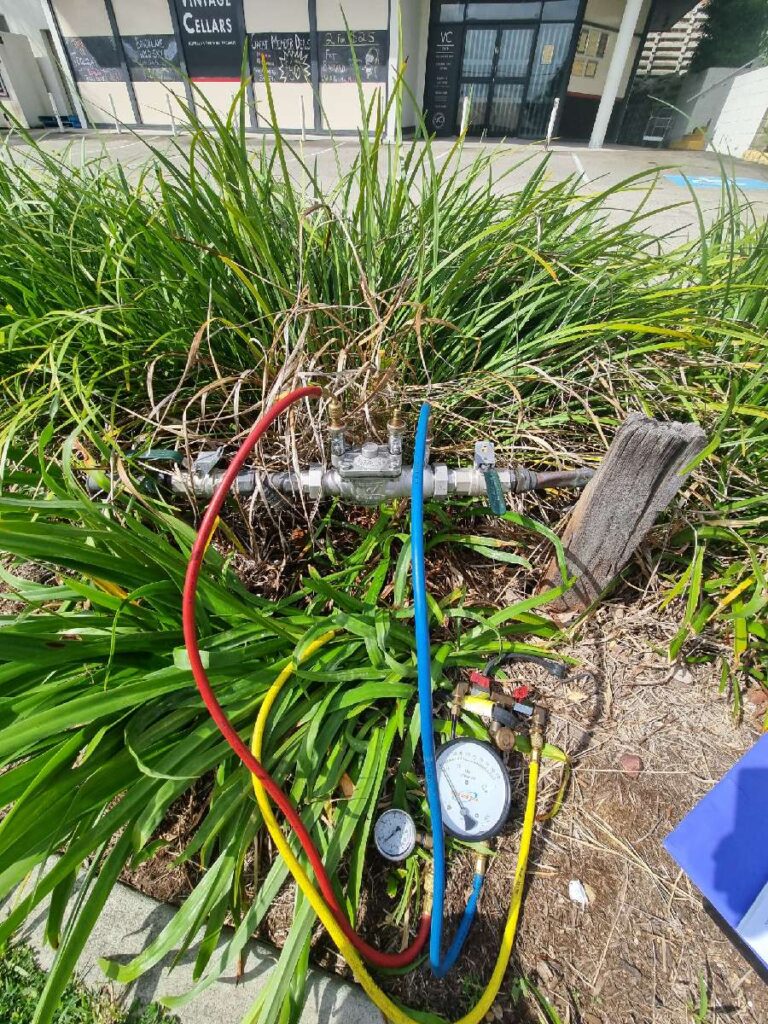
The plumber will first inspect the device for any visible damage or signs of leakage.
The water supply will then be be turned off so the device can be tested safely, and the appropriate testing equipment will be connected.
Pressure and functional tests will be carried out to confirm the device is maintaining the correct pressure, preventing backflow, and operating as required.
5. Record And Report Results
After testing is completed, the plumber records the results, including any issues or failures identified.
A backflow test report is then prepared and submitted to the relevant local authorities, as required under applicable regulations.
6. Addressing The Issues
Any damaged components or required replacements will be clearly identified.
Where necessary, maintenance or repair work will be planned and carried out to ensure the system operates correctly.
7. Retesting
After repairs are completed, the device may be re-tested to confirm it is operating correctly and meets required standards.
8. Documentation And Compliance
Following the completion of testing, repairs, and any required re-testing, retain a copy of the final test results and repair documentation for your records.
Copies of the required reports should then be submitted to the relevant local health or water authorities, in accordance with regulatory requirements.
9. Set A Reminder For The Next Test
Backflow testing is generally required on an annual basis, although the exact frequency may vary depending on local authority requirements.
It is recommended to schedule a reminder for the next test to ensure ongoing compliance.
Backflow Risk Ratings
Backflow risk is classified as low, medium, or high, based on the level of danger it poses to health.
- Low risk refers to a situation that may cause inconvenience or contamination but does not pose a health risk or cause injury.
- Medium risk refers to a situation that could potentially endanger health.
- High risk refers to a situation that presents a serious health threat and could result in death.
Why Choose Us As Your Backflow Plumbers?
Crew Plumbing provides reliable plumbing services with a focus on backflow prevention and water safety. Our experienced Brisbane plumbers carry out annual inspections and certification to help ensure backflow devices are working as they should.
We work in line with guidelines set by the Department of Health and other relevant authorities. Our team is qualified to repair, replace, or install backflow prevention devices as needed.
If you need assistance with backflow issues, Crew Plumbing is here to help. You can contact us on 07 3395 0440, and our team is available 24 hours a day.
FAQ
Are There Different Types Of Backflow Prevention Devices?
There are two main types of backflow prevention devices: testable and non-testable.
The type that is installed depends on how risky the water could be if it gets dirty. If the risk is low, a simpler device may be used. If the risk is medium or high, a testable backflow prevention device is required so it can be checked regularly to make sure it is working properly.
How Do I Locate A Backflow Prevention Device On My Property?
You can find where your backflow prevention device is by checking the reminder sent by your local council for yearly registration and testing.
This reminder includes details about where the device is located, which were recorded when the device was first registered.
When Do I Need To Have My Testable Backflow Prevention Devices Tested?
Testable backflow prevention devices need to be checked at least once every year.
You and your licensed plumber can choose the testing date. Most people have the device tested around the same time each year, often as part of regular maintenance or a set yearly plan.
Is It Possible To Remove A Backflow Device To Avoid Having To Repeat This Process Annually?
If the backflow device is removed, you won’t need to pay for its yearly maintenance anymore. However, these devices are important because they help protect the city’s water supply from contamination.
As long as a risk remains, it is your responsibility to ensure a suitable backflow prevention device is installed and kept in working order.
What If I Do Not Test My Devices?
Protecting the city’s water supply includes regular inspections of backflow prevention devices. These inspections ensure that private plumbing systems do not allow contaminants to enter the public water network.
If inspections are not completed within the required timeframe, there is an increased risk of water contamination and public health issues, as well as the possibility of fines being issued by the relevant authorities.
Will The Water Be Shut Off During The Test?
Yes, the process typically takes up to 30 minutes. We are mindful of your business operations and aim to minimise any disruption during this time.
How Do You Know If You Have A Backflow Problem?
Signs of a backflow issue may include discoloured water, unusual taste or odour, or reduced water pressure.
In some cases, backflow is not noticeable and is only identified during routine testing and inspection.